Photovoltaic Farms – Investment or Risk?
Introduction: The Energy of the Future – Today
In the face of rapidly rising energy prices, changing climate regulations and pressure towards energy transformation, more and more individual and institutional investors are turning their attention to renewable energy sources. Photovoltaic farms are among the most frequently chosen solutions. But is it really worth investing in them? Is such an investment safe and profitable? The answer is yes – provided it is well planned and implemented in cooperation with experienced partners in photovoltaic structure manufacturing and technical advisory.
What Is a Photovoltaic Farm?
Definition and Applications
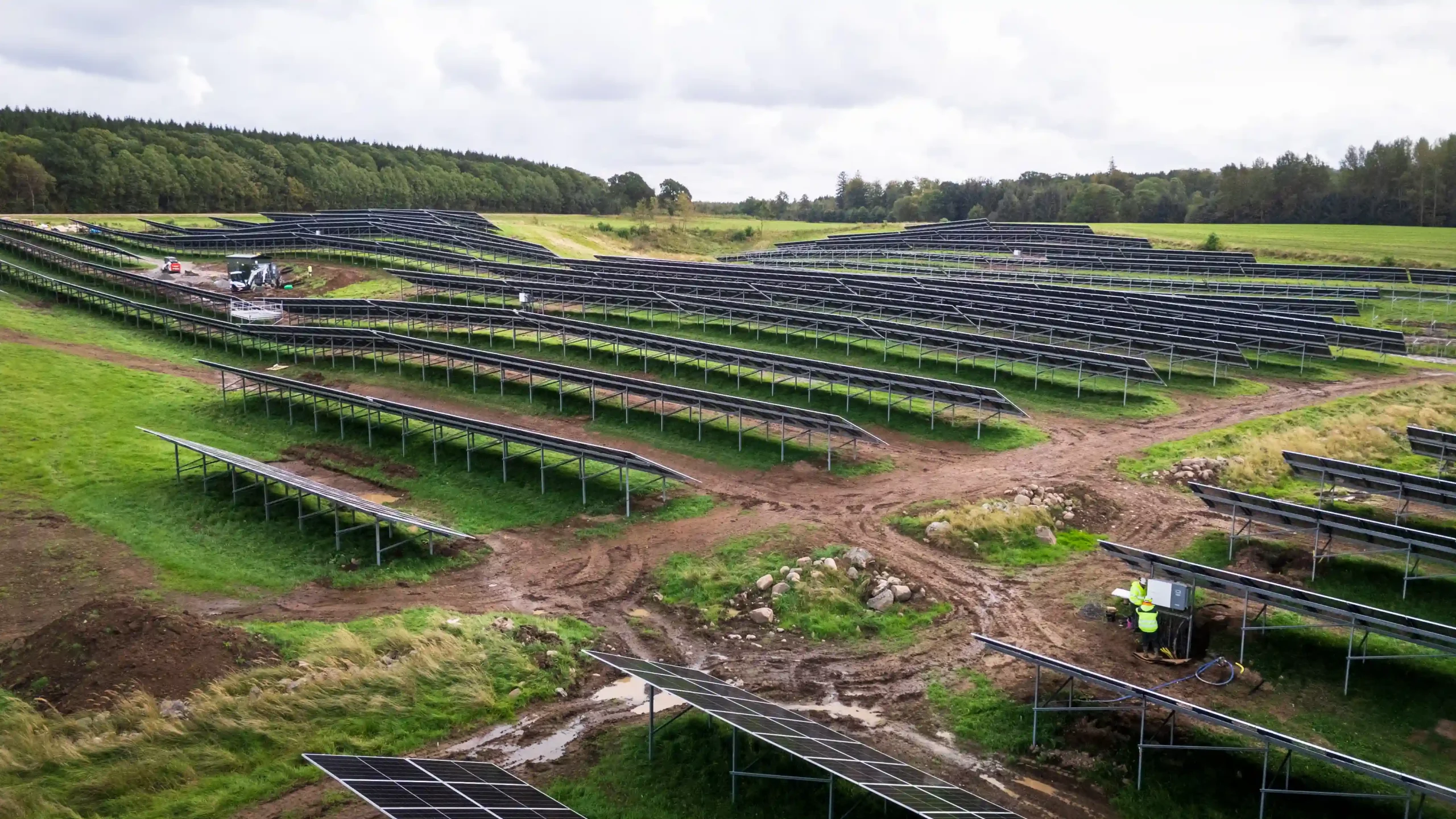
A photovoltaic farm is a set of solar panels installed over a large area of land, generating electricity from solar radiation. Unlike microinstallations, which power individual homes or businesses, farms are designed with industrial-scale energy production in mind.
Size and Scale
In Poland, an installation with a capacity of over 50 kWp is considered a photovoltaic farm. These projects can reach several dozen megawatts and cover areas measured in hectares.
Why Is It Worth Investing in Photovoltaic Farms?
1. High Profitability
Investments in photovoltaics offer some of the highest returns in the renewable energy sector. Predictable energy production, low operating costs and the possibility of obtaining grants mean that the return on investment period can be as short as 6 to 9 years, with an installation lifespan exceeding 25 years.
2. Availability of Financing and Grants
Poland and the European Union support the development of renewable energy through:
- subsidies from NFOŚiGW programmes,
- funds from the KPO and regional funds,
- preferential investment loans (e.g. BGK, BOŚ Bank),
- URE auctions guaranteeing a fixed price for 15 years.
3. Rising Energy Prices
Wholesale energy prices in Poland have risen several times in recent years. Own energy production makes it possible to become independent from market fluctuations and generate revenue from the sale of surpluses.
4. Ecology and Reputation
Investments in renewable energy have a positive impact on the environment and the investor’s reputation. Companies implementing green solutions are perceived as socially responsible, which translates into greater attractiveness to customers and investors.
What Are the Risks Associated with Photovoltaic Farms?
1. Administrative and Legal Barriers
Building a PV farm requires obtaining numerous permits (environmental decision, grid connection conditions, building permit, planning decisions). This process can be complicated and time-consuming. A solution may be to cooperate with a company that not only supplies structures but also supports investors in formal analyses, project documentation and advisory.
2. Technical Limitations
Not every location is suitable for a PV investment. Factors include: land classification, solar irradiance, proximity to power infrastructure. Therefore, the final investment decision should always be supported by appropriate pre-investment analyses prepared at the conceptual stage.
3. Variability of Weather Conditions
Energy production depends on solar irradiance, which can vary from year to year. Therefore, the investment requires reasonable financial assumptions and, above all, the selection of the appropriate type of photovoltaic structure optimised for the given situation.
PG Group – Your Partner in the World of Photovoltaic Farms
Who Is PG Group?
PG Group is a Polish manufacturer of mounting systems for photovoltaic panels, which has been supplying its solutions to both the domestic and foreign markets for years. Their products are manufactured to the highest quality standards, using steel coated with durable protective layers, offering excellent corrosion resistance even in harsh weather conditions and a warranty of up to 15 years.
What Does PG Group Offer Photovoltaic Farm Investors?
- Production of durable PV structures – ground, rooftop and ballast systems; custom solutions; compliance with European standards; material and technical certificates.
- Technical and advisory support – assistance with farm layout design, structural and static analyses, project documentation preparation, cost optimisation.
- Technical documentation and analyses – shading and solar irradiance analyses, 2D and 3D design, preparation of execution and as-built documentation.
- Projects across Europe – the company has completed hundreds of photovoltaic farm projects, from small 200 kWp installations to large-scale power plants exceeding 20 MWp.
How Does the Photovoltaic Farm Construction Process Work?
- Step 1: Location selection and ground analysis – in cooperation with subcontractors, the investor receives support in site assessment: solar irradiance analysis, infrastructure availability, compliance with local plans.
- Step 2: Technical design – a team of engineers prepares the optimal structural layout tailored to local conditions and the required farm capacity.
- Step 3: Component selection – the company advises on the selection not only of structures but also other key farm components – inverters, cables, transformers.
- Step 4: Delivery and installation supervision – the structure manufacturer organises delivery logistics and can support the investor with technical supervision during construction.
The Future of Photovoltaic Farms in Poland
By 2030, Poland has committed to increasing the share of renewable energy in its energy mix to 32%. The installed capacity in PV already exceeds 17 GW, and forecasts indicate that by 2030 it will reach over 30 GW – of which a significant proportion will be photovoltaic farms. Amendments to the Renewable Energy Sources Act enable the formation of energy clusters and energy cooperatives, further increasing the profitability of local PV investments. With the development of energy storage (lithium-ion batteries, flow cells), photovoltaic farms will gain flexibility and efficiency, becoming the foundation of future energy systems.
Summary: An Investment in the Future
Photovoltaic farms are investments that combine profit with responsibility. They offer a real chance of a high return while contributing to environmental protection. The key, however, is to implement them wisely and in cooperation with experienced partners. Always look for a reliable and experienced PV structure manufacturer who will provide you not only with steel foundations, but also technical, advisory and design support – and you will avoid many headaches.