Sheet Metal Component Production Process – Stages and Technologies
The production of sheet metal components is a key process in many industries – from automotive and construction through to aerospace. Advanced technologies and precise metalworking make it possible to create components with high strength and accuracy. This article describes the fundamental stages of sheet metal component production as well as the methods that ensure the highest quality.
Design and Preparation
The first step in the production process is creating a technical design. At this stage, the dimensions, shape and strength parameters of the product are determined. Modern facilities use CAD/CAM software, which allows for an accurate representation of the concept and the preparation of files for CNC machines.
Sheet Metal Cutting
The sheet metal is cut into the appropriate shapes and sizes in accordance with the design. Depending on the requirements, various cutting methods are used, including:
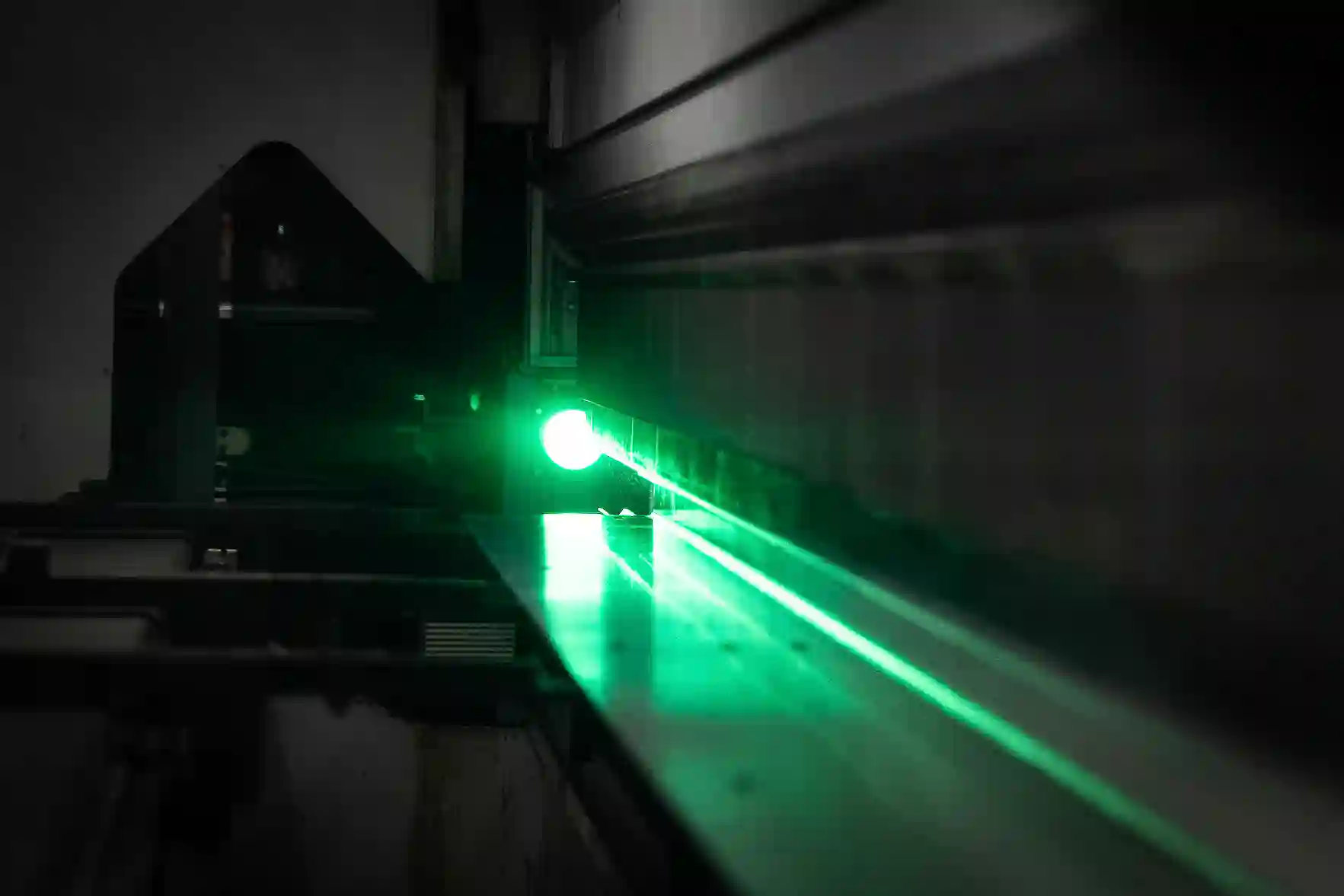
- Laser cutting – a precise method enabling the cutting of complex shapes, used in aerospace, automotive and electronics industries, among others.
- Water cutting – uses a high-pressure water jet, which minimises the effect of temperature on the material being processed.
- Plasma cutting – effective for thicker sheets and current-conducting materials such as steel or aluminium.
Hole Punching and Shaping
Once the basic sheet metal shape has been cut, the process moves on to punching holes and cutting additional details. Punches and dies are used to achieve precise holes and cutouts in the metal.
Bending and Forming
Sheet metal bending makes it possible to achieve three-dimensional shapes. This process is carried out using press brakes, which enable the precise forming of components in accordance with the design requirements. A key challenge is managing the “springback” effect – the metal’s tendency to return to its original shape.
Joining Components – Welding, Riveting and Bonding
Once the sheet metal parts have been properly formed, they are joined into a finished product. Various methods are used for this purpose, including:
- Welding – the most commonly used techniques are MIG/MAG, TIG and laser welding.
- Riveting – used in components requiring demountable joints.
- Bonding – used in certain applications where a joint without heat impact on the material is required.
Finishing and Surface Protection
The final stage of production is surface treatment, which may include:
- Grinding and polishing – removes sharp edges and improves the aesthetics of the component.
- Powder coating – adds colour and additional protection against corrosion.
- Galvanising – coating the metal with a protective layer, e.g. zinc, to increase rust resistance.
Quality Control and Packaging
Each component undergoes quality control before dispatch to verify that it meets the design requirements. After a positive verification, the products are appropriately packaged and transported to the customer.
Summary
The production of sheet metal components is a process requiring precision and the use of modern technologies. Thanks to advanced processing methods, components of high quality can be obtained that meet the requirements of various industries. The choice of the right sheet metal production service provider is of key importance for the durability and functionality of the final products. The sequence of individual processes is always determined by a reliable contractor who best knows how to achieve the desired result.