The Cost of Laser Cutting, Punching and Sheet Metal Bending – A Guide for CNC Service Buyers
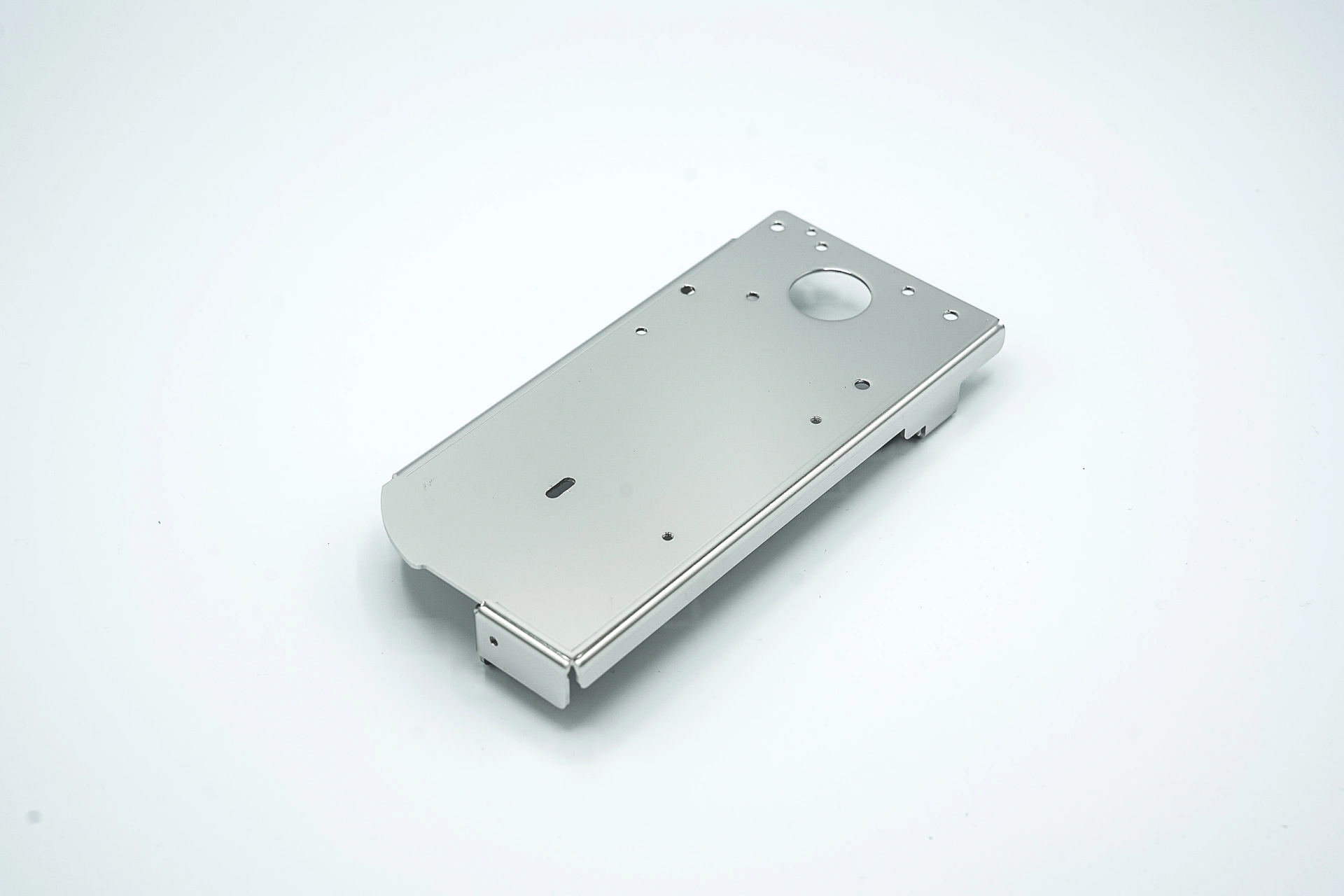
How much does laser cutting of sheet metal cost? Unfortunately, there is no single universal answer – the cost depends on many factors. In this guide, we explain what elements make up the pricing of CNC services, so you can better understand the quotes you receive and know where the costs come from. Knowing the main cost-driving factors, you can also introduce changes during the design stage to reduce manufacturing costs.
1. Material Type and Thickness
Cutting ordinary structural steel (“black steel”) is different from cutting stainless steel or aluminium. Stainless steel is generally more expensive to cut as it requires different machine settings and often a more expensive gas (nitrogen) to achieve a clean edge. Aluminium can be more difficult to laser cut due to high thermal conductivity and beam reflection, also increasing cost. Sheet thickness is another key factor: the thicker the material, the slower the processing and the greater the energy consumption. As specialists note, moving from 3 mm to 4 mm can increase cutting costs by up to 50%. Choosing a slightly thinner material where possible will translate into savings, provided it meets structural requirements.
2. Design Complexity and Number of Components
A simple rectangular sheet with a few holes will be cheaper than a delicate open-mesh perforation full of fine details. The more complex the pattern, the more time-consuming work the machine must do – the laser has a longer path, and at tight curves or small holes it must slow down. CNC services are most commonly priced per hour of machine time, so additional minutes on complex paths translate into additional costs. Dense perforation or decorative cutouts also raise the price. Simplifying the design can save money: sometimes a minor change (a larger corner radius, less dense perforation, etc.) can significantly shorten processing time without degrading functionality.
3. Batch Size (Scale of Production)
The quantity ordered can change the unit price dramatically. The general rule: the larger the batch, the lower the cost per unit. For a single prototype or short run, you must expect a higher unit price, because even for a single piece the manufacturer must carry out all preparatory activities – programming, setup, test cuts – that take the same amount of time for 1 unit as for 1,000 units. For mass production, the reverse is true: setup costs are incurred only once, then the machine repeats the cycle hundreds or thousands of times. If you know you will ultimately need 100 units per year, it is worth ordering in a larger batch rather than a few at a time.
4. Required Tolerances and Finish Quality
If your project requires exceptionally strict tolerances (e.g. accuracy to tenths of a millimetre), the manufacturer must spend more time to guarantee them. Very tight tolerances often mean slower operation, a greater risk of rejects, and potentially more material waste. Standard accuracy from laser cutting (±0.1–0.2 mm) is usually fully sufficient. Tightening tolerances to ±0.05 mm might require additional finishing operations completely disproportionate to the benefit. Edge quality also matters: cutting carbon steel with oxygen as the cutting gas can cause darkening of the edge that may need to be removed before welding or painting. Cutting with nitrogen gives a clean, silver edge but is more expensive and slower.
5. Preparation Costs: Programming and Changeover
Pricing a sheet metal processing service is not just the cutting or bending time visible on the machine. Before the first part is produced, the company must spend time on process preparation: developing the CNC programme, configuring the machine, selecting and mounting tooling, and conducting technical trials. As specialists emphasise, the price includes not just direct labour but also costs of project preparation and documentation. This preparation time is independent of whether 1 or 1,000 units are produced, which is why unit costs for small batches are disproportionately high. The good news: if you re-order the same component, many preparations do not need to be repeated, so repeat orders are often cheaper than the first batch.
How to Reduce Sheet Metal Processing Costs – Practical Tips
- Design for manufacturing (DFM) – avoid unnecessarily complex details. Minor changes to radii, slot widths or distances between cutouts can allow standard tooling to be used instead of special, reducing machine time.
- Unify components – standardise parts in your design. Fewer unique shapes mean lower preparation costs spread over more repeating units.
- Choose standard materials and thicknesses – widely available grades and thicknesses are cheaper to purchase and the manufacturer has established cutting parameters for them.
- Do not over-specify tolerances – set tolerances realistically. Only where truly critical should tight tolerances be applied.
- Consult the design with the manufacturer early on – an experienced CNC service provider can suggest changes that will facilitate production and reduce costs, including optimising nesting to minimise material waste.
Summary
The cost of laser cutting, CNC punching and sheet metal bending depends on many variables – material, thickness, shape complexity, batch size, required precision and the scope of preparatory work. Knowing these factors makes it easier to understand the quote you receive and consciously manage your project to avoid unnecessary expenses. The best results come from close cooperation with the manufacturer – combining your product knowledge with their expertise in technological processes ensures the finished product meets quality expectations while its manufacturing cost is optimal.