Sheet Metal Components in Electronics, Automotive and Construction Industries
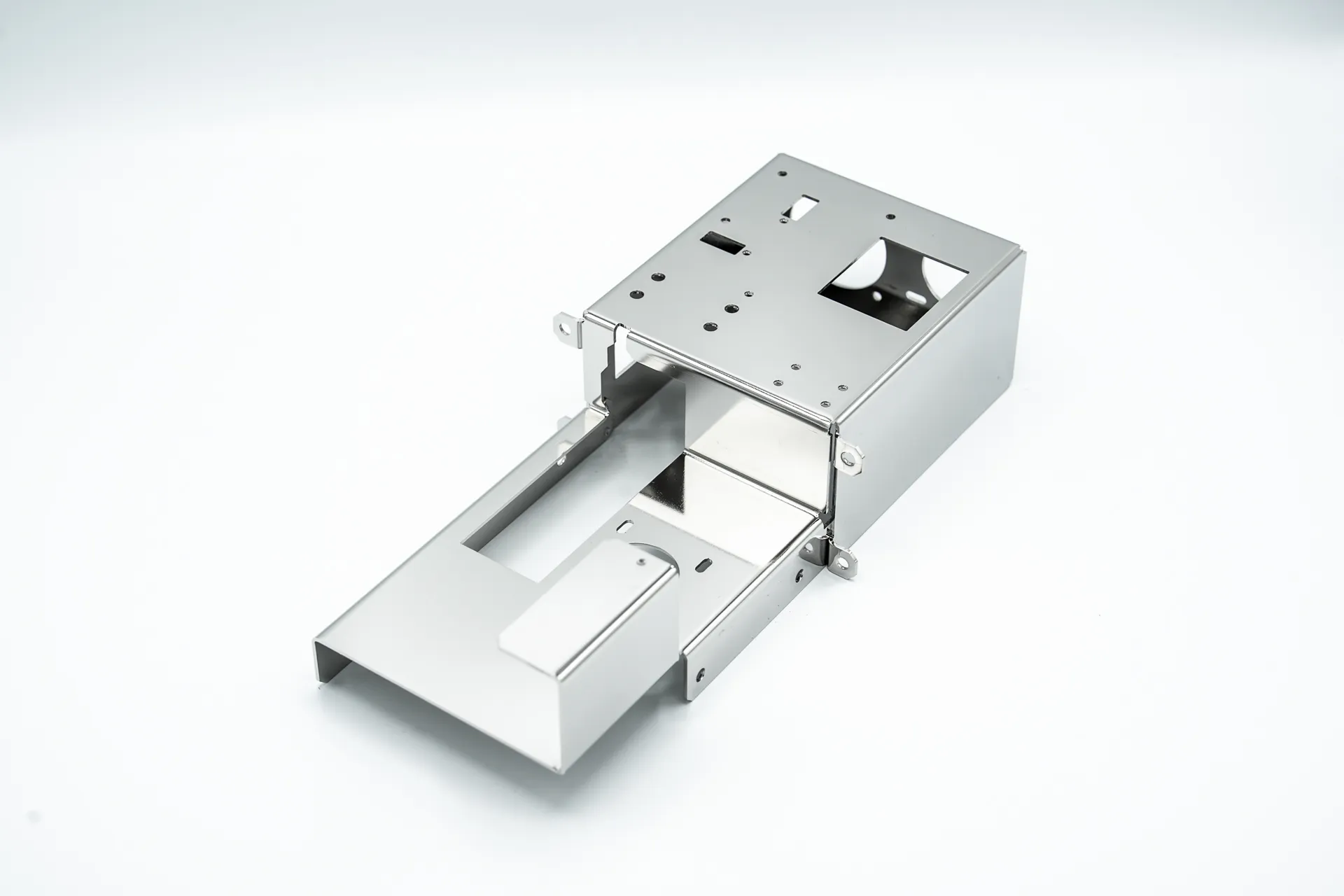
Every industrial sector places different demands on sheet metal components. There is no universal template – each time it is necessary to analyse the specifics of the sector and match the component specification to the client’s needs. Leading suppliers of sheet metal components and parts have many years of experience and advanced machinery, allowing them to carry out both small and very large-scale projects. Thanks to modern equipment such as laser punch presses, press brakes and industrial robots, they can process tens of thousands of tonnes of steel per year. Rapid cutting and bending of various metals (ordinary steel, stainless steel, aluminium, etc.) enables precise execution of even complex shapes – such as embossings, threads or perforations – while maintaining short lead times. All work is carried out according to rigorous quality procedures, guaranteeing dimensional repeatability and the durability of finished parts.
Sheet Metal Components in the Electronics and Electrical Engineering Industry
In electronics and electrical engineering, protecting sensitive circuits and achieving precision in the manufacture of housings and device frames is essential. Metal components here serve, among other things, as electrical shielding and mechanical protection for components. In consumer electronics, for example, steel housings are frequently used to protect the interior of devices against interference and overheating. Similar solutions are found in telecommunications and network equipment – rack cabinets and sheet metal capsules protect cables and modules against damage and environmental influence. Such elements require precise cutouts for ports, ventilation slots or mounting holes, which is why precision laser machining and punch presses are used. A specialist manufacturer can produce these components with high repeatability – laser cutting allows for fast and accurate cutting of complex contours and thread tapping. Sheet metal components that end up in consumer electronics machinery or medical devices thus meet strict dimensional and quality standards.
Sheet Metal Components in the Automotive Industry
In the automotive sector, sheet metal products must combine strength with high manufacturing precision. Vehicle structures (body panels, frames, guards) and numerous subassemblies (engine mounts, brackets, profiles) are exposed to high loads, vibrations and variable weather conditions. Hard-wearing and galvanised sheet metal is frequently used to ensure corrosion resistance. The automotive industry values sheet metal processing for its production scalability – it allows the serial manufacture of hundreds or thousands of identical parts while simultaneously reducing unit costs. Experts emphasise that the production of automotive components is characterised by cost optimisation and process repeatability: sheet metal processing enables the mass production of high-quality components at relatively low expenditure, translating into reduced waste and production costs. For example, steel enclosures for on-board electronics or cable harness mounts protect sensitive modules against moisture and vibration, while the material used for their production is sufficiently common and cost-effective to fit well within the Just-in-Time strategy typical of automotive manufacturers. Additionally, technologies such as deep drawing and press brake bending allow non-standard shapes and precise dimensions to be produced rapidly, which is important for large body part orders.
Sheet Metal Components in Construction and Renewable Energy
In the construction and energy sector, sheet metal components often serve load-bearing and protective roles. Metal facade panels, roof cassettes and supporting structures for photovoltaic cells must be very durable and resistant to weather conditions. Experts note that in construction, sheet metal is valued for its strength and versatility of application – from roof coverings to ventilation housings and building facades. Metal roof coverings are renowned for their longevity and resistance to snow, rain and UV radiation. Sheet metal can also be perforated or profiled, allowing striking facades that control light ingress and improve the thermal insulation of buildings. In solar and photovoltaic projects, aluminium and steel frames are mounted for the panels – lightweight yet strong, enabling stable installation on both ground and rooftops. Thanks to the availability of numerous finishes (powder coating, anodising), these components combine durability with aesthetics. Importantly, sheet metal is a recyclable material, which aligns with sustainable construction practices and waste reduction goals. In summary, the applications of sheet metal components in construction and the renewable energy sector translate into highly functional and long-lasting structures that combine operational safety with attractive design.